

Is Coco-Caprylate/Caprate Safe For Sensitive Skin Formulations?
Basic Introduction to Coco-Caprylate/Caprate
Coco-Caprylate/Caprate (CAS: 91031-88-8) is a renewable, vegan-friendly lightweight ester synthesized from coconut-based fatty alcohols, caprylic acid and capric acid. Complying with ISO 16128 natural ingredient standards, it features a unique medium-short fatty acid chain structure, distinct from heavy high-molecular-weight emollients like mineral oil and synthetic silicones. It delivers low viscosity, rapid skin absorption and mild breathable occlusion, serving as an ideal natural alternative for Sensitive Skin and clean cosmetic formulations.
Authoritative Safety Verification for Sensitive Skin
CCC’s safety for sensitive skin is fully backed by global regulatory assessments and peer-reviewed clinical studies, with extremely Low irritation, sensitization and comedogenic risks.
The 2016 Cosmetic Ingredient Review (CIR) Expert Panel completed a comprehensive safety evaluation of CCC, conFirming it is safe for all leave-on and rinse-off cosmetic products at concentrations up to 20%. Controlled human tests involving 200 sensitive skin volunteers verified zero primary irritation, zero allergic sensitization and no phototoxicity, establishing its reliable mildness for topical use.
Clinical research further proves its skin barrier protection efficacy. A 2021 study published in Journal of Lipid Research demonstrated that CCC optimizes skin lipid bilayer arrangement, repairing compromised sensitive skin barriers and reducing transepidermal water loss (TEWL) by 37%. A 2022 28-day clinical trial inJournal of Cosmetic Dermatology (80 sensitive skin participants) found that formulas with 10% CCC boosted skin hydration by 42% and reduced barrier-damaged redness and itching by 29%.
In industrial safety ratings, CCC holds the lowest EWG hazard score of 1 and a low comedogenic rating of 1, making it non-pore-clogging and suitable for sensitive acne-prone skin. It has obtained unrestricted EU CosIng access, COSMOS/Ecocert natural certifications, and FDA GRAS recognition for topical cosmetic applications.
Core Formulation Advantages for Sensitive Skin
CCC targets the inherent weaknesses of traditional emollients, offering three core advantages for sensitive skin formulations.
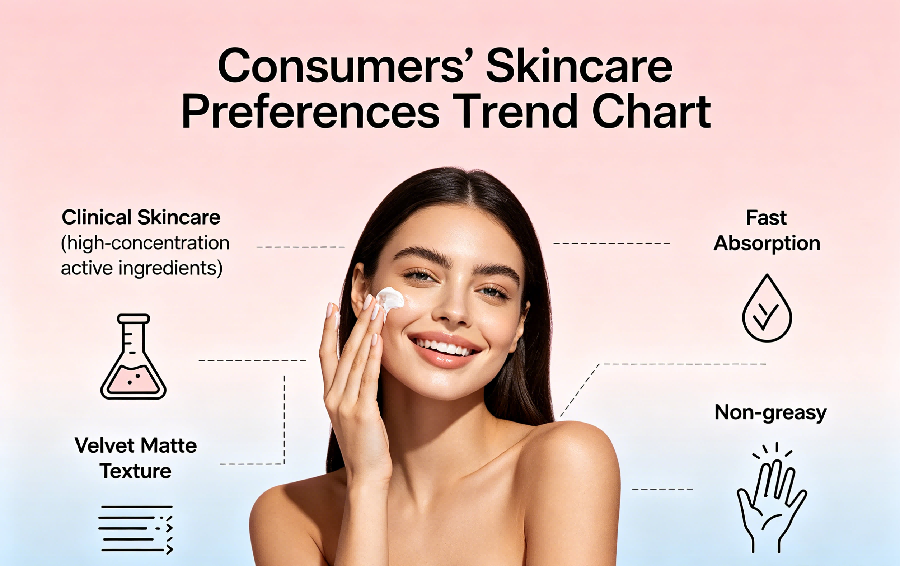
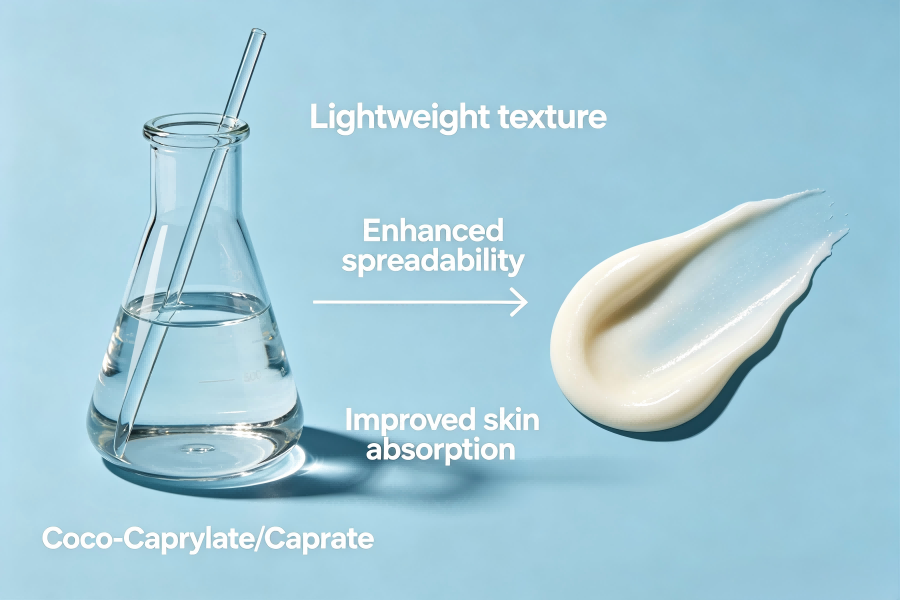
- First, it provides lightweight, non-greasy moisturization. Its low-viscosity structure absorbs quickly to form a breathable protective film on the skin surface, locking in long-term moisture without heavy residue, greasiness or dullness—avoiding the stuffy discomfort that triggers sensitive skin reactions.
- Second, it delivers excellent skin barrier repair. CCC’s lipid structure is highly compatible with human natural sebum, seamlessly integrating with the stratum corneum to fill barrier gaps, isolate external irritants, and relieve persistent dryness, redness and itching of fragile sensitive skin.
- Third, it boasts superior formula compatibility and stability. It acts as both an emollient and oil-soluble active solvent, stably matching with ceramides, niacinamide, panthenol and other sensitive skin repair ingredients without producing irritating by-products. It also improves emulsion stability, preventing phase separation and reducing potential formula-related irritation risks.
Cosmetic Industry Applications
CCC features wide formula adaptability, with a conventional usable concentration of 1%-25% (up to 50% in anhydrous formulas), covering multiple sensitive skin cosmetic categories.
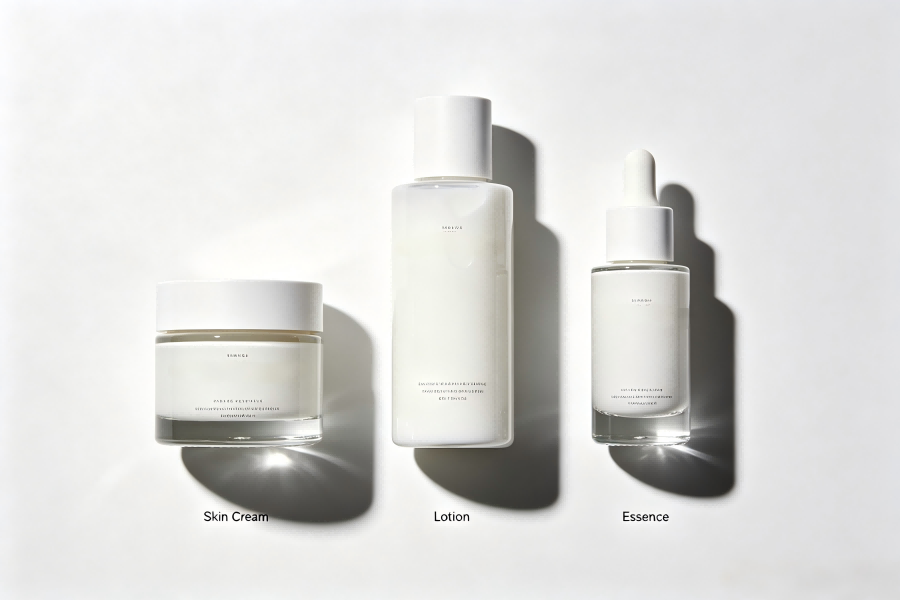
For facial care, 5%-15% CCC is widely used in fragrance-free hypoallergenic moisturizers, calming serums and gentle creams, balancing moisturizing power and skin comfort. For mineral sunscreens, 3%-10% CCC optimizes the spreadability of zinc oxide and titanium dioxide, eliminating white cast and gritty texture while soothing UV-induced skin irritation.
In hypoallergenic color cosmetics like tinted moisturizers and cream blushes, 2%-8% CCC improves pigment dispersion and makeup fit without irritating fragile skin. In cleansing and makeup removal products, 10%-20% CCC efficiently dissolves waterproof makeup while retaining skin surface lipids, avoiding post-cleansing tightness and barrier damage.
FAQ: Solve Sensitive Skin Formulation Pain Points
Q1: Does CCC cause skin allergies on sensitive skin?
A: Hardly. High-purity refined CCC contains negligible coconut protein residues, with allergic cases extremely rare and limited only to users with confirmed severe coconut allergies. All authoritative clinical tests confirm its zero sensitization risk, far milder than most plant-derived emollients.
Q2: Is CCC applicable for sensitive acne-prone skin?
A: Yes. With a comedogenic rating of 1, CCC is non-comedogenic and non-occlusive. It does not accumulate grease or clog pores, and alleviates redness and inflammation caused by damaged barriers, making it a ideal emollient for sensitive oily and combination skin formulas.
Q3: What is the optimal dosage of CCC in sensitive skin formulas?
A: The safe and optimal dosage for leave-on products is 5%-15%, with the CIR-verified maximum safe concentration of 20%. For rinse-off cleansing products, 1%-5% is sufficient to achieve mild moisturizing effects. Excess dosage causes no irritation but may compromise the lightweight texture of formulas.
Q4: Does CCC conflict with common sensitive skin active ingredients?
A: No ingredient antagonism occurs. CCC perfectly compatibles with mainstream barrier-repair actives, assists active ingredient skin penetration, enhances moisturizing and repairing efficacy, and generates no irritating substances.
Conclusion
Validated by long-term authoritative assessments and clinical trials, Coco-Caprylate/Caprate is a safe, stable and high-performance emollient exclusive for sensitive skin formulations. It effectively solves the greasiness, pore-clogging and irritation flaws of traditional emollients, providing reliable barrier repair and mild moisturization. As a high-value natural alternative to silicones and mineral oils, it holds broad application prospects in the booming clean and sensitive skin beauty market.
Research & Reference Sources
- CIR Expert Panel. (2016). Safety Assessment of Coconut-Derived Alkyl Esters as Used in Cosmetics.
- Journal of Lipid Research.(2021). Lipid Organization and Barrier Recovery Effects of Medium-Chain Coconut Esters on Damaged Skin.
- Journal of Cosmetic Dermatology. (2022). Clinical Efficacy of Coco-Caprylate/Caprate in Sensitive Skin Hydration and Redness Improvement.
Name: Yuki
E-mail: sales02@nahanutri.com
WhatsApp:+8618066950297